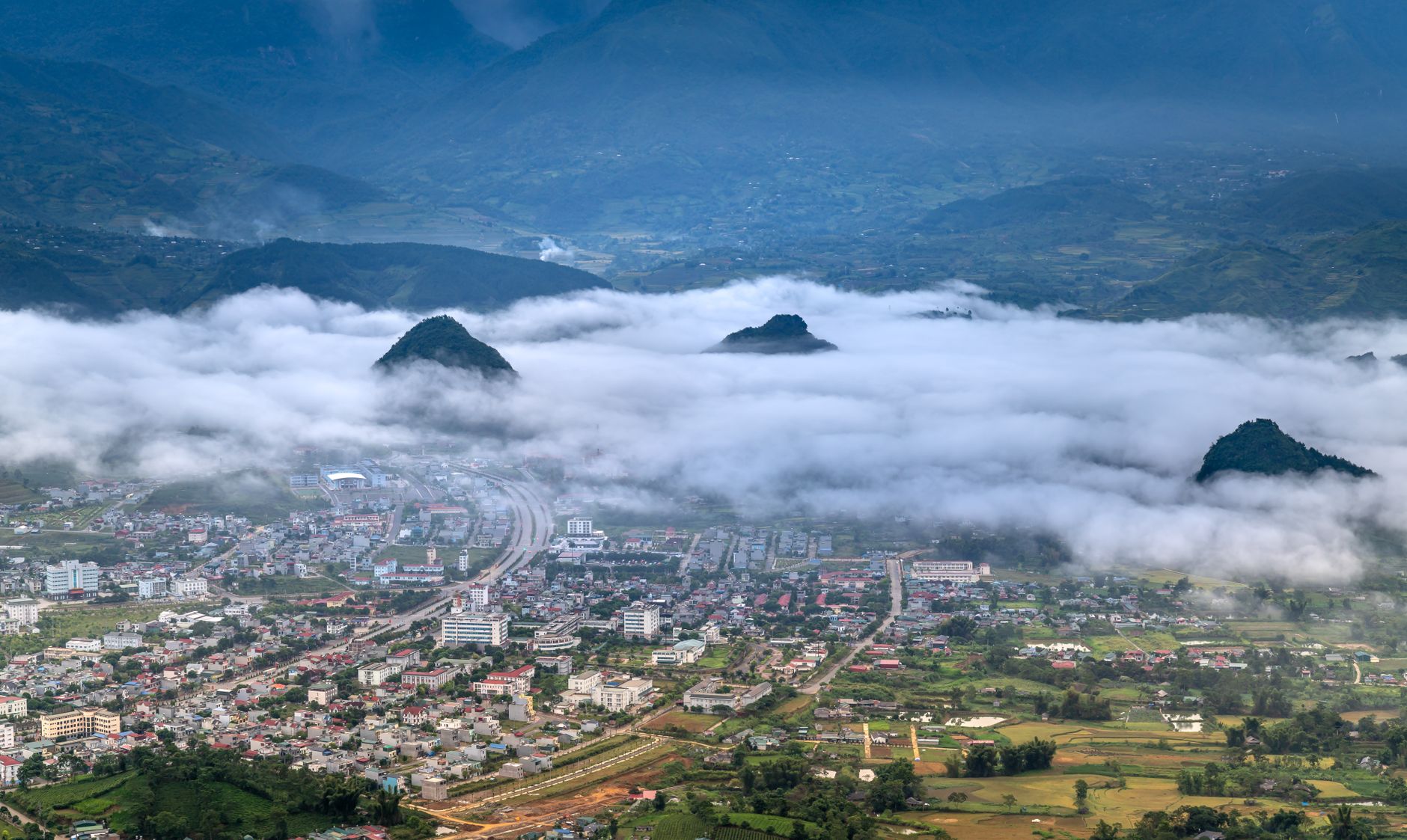
Mai Chau is often sold as a peaceful escape from Hanoi, but the real question is whether it deserves a spot on your itinerary. This guide cuts through the hype to give you an honest, practical breakdown of what to do, where to stay, and how to make the most of your time in this valley — including the hot springs most guides barely mention.
What you need to know before going
Mai Chau is a valley in Hoa Binh Province, about 140 kilometers southwest of Hanoi. Travelers come here for rice paddies, stilt house homestays, and Thai ethnic culture. The valley floor is flat, making it ideal for cycling. The surrounding mountains are forested but not dramatic like Sapa.
The honest trade-offs: Mai Chau is not a wilderness escape. On weekends, local wedding parties blast karaoke until late. Tourist groups arrive in buses during peak season (October to April). Some days the main village of Lac feels like a theme park. If you want solitude, visit on weekdays or go deeper into Pu Luong.
Mai Chau is also not Sapa. It is flatter, smaller, and better suited for a short break of two nights, not a multi-day trek. The rice terraces here are valley-bottom paddies, not hillside staircases. The weather is warmer and less foggy than Sapa. For a comparison of both destinations, read our guide to Mai Chau & Pu Luong: Northern Vietnam's Quieter Alternative to Sapa.
How to get to Mai Chau from Hanoi
The journey takes 3.5 to 5 hours depending on traffic and stops. Highway 6 is the main route, with sharp curves, truck traffic, and occasional fog at Thung Khe Pass. Here are your options:
| Mode | Duration | Cost (VND) | Cost (USD) | Safety Level | Best for |
|---|---|---|---|---|---|
| Sleeper bus | 4-5 hours | 100,000-150,000 | $4-$6 | Low-medium | Budget travelers |
| Limousine van | 3.5-4 hours | 200,000-350,000 | $8-$14 | Medium | Comfort seekers |
| Private car | 3.5-4 hours | 1,200,000-1,800,000 | $48-$72 | High | Groups or families |
| Motorbike | 4-5 hours | 150,000-250,000 rental/day | $6-$10 | Low | Experienced riders only |
| Organized tour | 2-3 days | 1,500,000-3,000,000 | $60-$120 | Medium | First-timers |
Buses depart from My Dinh or Giap Bat bus stations in Hanoi. Book limousine vans through your homestay or online platforms. The road is paved but narrow in sections. Fog at Thung Khe Pass (km 60-70) can reduce visibility to 10 meters between November and February.
Warning: Highway 6 is dangerous for inexperienced motorbike riders. Sharp curves, loose gravel, and overtaking trucks cause frequent accidents. If you are not confident on Vietnamese roads, take a bus.
For broader transport advice, see our guide on Hanoi to Ha Giang: 3 Routes Compared.
Best time to visit Mai Chau: A month-by-month breakdown
Most guides say "March to May and September to November." That is correct but too vague. Here is the real picture:
| Month | Avg Temp (°C) | Rainfall (mm) | Rice Field Condition | Crowd Level |
|---|---|---|---|---|
| January | 15-20 | 20 | Brown, dry, post-harvest | Low |
| February | 16-22 | 25 | Plowing, muddy | Low |
| March | 18-25 | 40 | Green shoots | Medium |
| April | 22-28 | 70 | Lush green | Medium |
| May | 24-30 | 100 | Tall green | High (holidays) |
| June | 25-32 | 150 | Flooded, growing | Low (rainy) |
| July | 25-33 | 180 | Flooded, risk of storms | Low |
| August | 24-31 | 160 | Flooded, muddy | Low |
| September | 22-28 | 100 | Starting to turn yellow | Medium |
| October | 18-25 | 50 | Golden harvest | High |
| November | 16-22 | 30 | Harvested, some green | Medium |
| December | 14-19 | 20 | Brown, misty | Low |
October is the ideal month. The rice fields turn golden, temperatures are cool, and rain is minimal. March to May offers green paddies and comfortable cycling weather. June to August brings heavy rain, flooding risk, and leeches on trails.
Honest advice: Avoid weekends if possible. Local wedding parties with amplified karaoke run from Friday night through Sunday. The noise carries across the valley. If you must visit on a weekend, request a homestay away from the village center.
For a broader view of weather across Vietnam, see The Best and Worst Months to Visit Vietnam: A Region-by-Region Guide.
Where to stay in Mai Chau: Homestays vs eco-lodges
Two main accommodation types dominate Mai Chau. Here is how they compare:
| Type | Price Range (VND) | Price Range (USD) | Amenities | Food | Noise Risk |
|---|---|---|---|---|---|
| Homestay | 200,000-400,000 | $8-$16 | Thin mattress, shared bathroom, fan | Family dinner + breakfast included | High near karaoke venues |
| Eco-lodge | 800,000-2,000,000 | $32-$80 | Private room, AC, pool, restaurant | Restaurant menu, higher quality | Low |
Homestays are the authentic experience. You sleep in a Thai stilt house, eat meals with the family, and learn about local culture. The downsides: thin mattresses, shared bathrooms with cold water, and potential noise from nearby parties. Most homestays include dinner and breakfast in the price.
Eco-lodges offer comfort and privacy. Mai Chau Ecolodge and Avana Retreat are the most popular options. They have pools, air conditioning, and soundproofed rooms. You lose the cultural interaction but gain sleep quality.
Pro tip: Book homestays through direct contact on Facebook or WhatsApp. Avoid third-party booking sites that add 20-30% commission. Most hosts speak basic English and respond within hours.
For general safety advice on accommodations, read Is Vietnam Safe in 2026? An Honest Country-Wide Risk Assessment.
Top things to do in Mai Chau
The valley offers activities for different travel styles. Here is a comparison table:
| Activity | Duration | Difficulty | Cost (VND) | Cost (USD) | Best for |
|---|---|---|---|---|---|
| Cycling Lac and Pom Coong | 2-3 hours | Easy | 50,000-100,000 rental | $2-$4 | Everyone |
| Hiking to Chieu Cave | 1.5-2 hours | Moderate-hard | Free | $0 | Fit hikers |
| Visiting Mo Luong Cave | 1 hour | Easy | 50,000 | $2 | Families |
| Swimming at Go Lao Waterfall | 1-2 hours | Easy | 20,000 | $1 | Hot days |
| Exploring Thung Khe Pass | 2-3 hours | Moderate (drive) | Free | $0 | Scenic drivers |
| Trekking Pu Luong | Full day | Moderate-hard | 100,000-200,000 guide | $4-$8 | Adventurers |
| Pa Co Market | 2-3 hours | Easy | Free entry | $0 | Sunday visitors |
| Rice wine tasting | 1 hour | Easy | Free to 50,000 | $0-$2 | Drinkers |
| Thai dance performance | 1 hour | Easy | 50,000-100,000 | $2-$4 | Culture seekers |
| Bamboo chopstick factory | 30 min | Easy | Free | $0 | Curious travelers |
Cycling through Lac and Pom Coong villages
This is the number one activity for a reason. The roads are flat, traffic is light, and the scenery is postcard-perfect. Rent a bicycle from your homestay or a shop in Lac village for 50,000-100,000 VND per day. The loop through Lac, Pom Coong, and back takes 2-3 hours at a leisurely pace. Stop for photos at the rice paddies and watch weavers making traditional fabric.
Hiking to Chieu Cave (1,200+ steps)
Chieu Cave sits on a limestone mountain overlooking the valley. The hike involves 1,200 concrete steps, steep in sections. The reward is a massive cave chamber with stalactites and a panoramic view of Mai Chau from the entrance. Bring water and wear sturdy shoes. The hike takes 45 minutes to 1 hour up, 30 minutes down. No entrance fee.
Visiting Mo Luong Cave
A smaller, less crowded cave located 5 km from Lac village. The entrance fee is 50,000 VND. The cave has illuminated walkways and a stream running through it. Less impressive than Chieu Cave but easier to access. Good for families with young children.
Swimming at Go Lao Waterfall
A 20-meter waterfall with a natural pool at the base. Entrance fee is 20,000 VND. The water is cold and refreshing. Best visited in the afternoon when sunlight hits the pool. The site has basic changing huts and a small snack stall. Avoid after heavy rain when the current is strong.
Exploring Thung Khe Pass (White Stone Pass)
The mountain pass on Highway 6 between Mai Chau and Moc Chau. Named for the white limestone rocks that line the road. Stop at the viewpoint for photos of the valley below. Vendors sell grilled corn and local honey. The road is winding and busy with trucks, so park carefully.
Trekking in Pu Luong Nature Reserve
Pu Luong is 1.5-2 hours from Mai Chau by motorbike. The reserve has rice terraces, bamboo forests, and ethnic villages. Day trips are possible but rushed. Overnight stays in Pu Luong homestays are recommended. The roads are unpaved and narrow with no barriers. For more details, see our Mai Chau & Pu Luong guide.
Shopping at Pa Co Fair Market (Sundays only)
Pa Co market operates on Sunday mornings only. It is 20 km from Mai Chau on the way to Moc Chau. Ethnic minorities from surrounding villages sell livestock, textiles, and local produce. Arrive before 9:00 AM for the best atmosphere. By noon, most vendors have packed up.
Sampling rice wine at Jungle Brews
A small craft brewery and tasting room in Lac village. They produce rice wine infused with local fruits and herbs. Tasting flights cost 50,000-100,000 VND. The owner speaks English and explains the brewing process. Open daily from 10:00 AM to 9:00 PM.
Watching traditional Thai dance performances
Many homestays organize evening performances of traditional Thai music and dance. The cost is usually 50,000-100,000 VND per person. Performances last about one hour and include audience participation. Check with your homestay host about scheduling.
Visiting the bamboo chopstick factory
A small family-run workshop in Pom Coong village. They produce chopsticks and other bamboo products using traditional methods. Free to enter. You can watch the process and buy products directly. Open daily during daylight hours.
Mai Chau hot springs: The hidden relaxation spot
Most guides mention the hot springs briefly or not at all. This section gives you everything you need.
Where are the hot springs located?
The hot springs are near Tat Nang Waterfall, about 15 km from Mai Chau town center. The coordinates are 20.6721° N, 105.0934° E. Access is by motorbike or private car. The last 2 km of road is unpaved gravel. Signs are minimal, so use Google Maps or ask your homestay host for directions.
What to expect at the hot springs
The springs consist of natural pools fed by underground thermal water. Temperatures range from 35°C to 45°C depending on the pool. The water is clear and odorless. Infrastructure is basic: a few concrete pools, changing huts, and a small parking area. No restaurant or shop on site.
Entrance fee is 20,000-30,000 VND (less than $2 USD). Parking is free. Bring your own towel, water shoes, and drinking water. The best time to visit is late afternoon when the light is soft and the air is cool. November to February offers the most comfortable soaking conditions.
How to combine hot springs with nearby attractions
Pair the hot springs with Tat Nang Waterfall for a half-day trip. The waterfall is 100 meters tall and visible from the road. A short trail leads to the base. The waterfall area is less developed than Go Lao, meaning fewer crowds but no facilities.
Bring a picnic. The area has shaded spots near the stream. Allow 2-3 hours for the hot springs and waterfall combined.
Pro tip: Visit on a weekday to have the pools almost to yourself. Weekends attract local families, especially during school holidays.
Safety and hygiene notes
Natural hot springs are not chemically treated. Check the water clarity before entering. Cloudy water indicates recent rain or disturbance. Avoid soaking if you have open wounds, cuts, or skin infections. No lifeguards are present. The pool bottoms are uneven rock, so water shoes are essential.
For general health precautions while traveling, read Mosquitoes, Dengue and Malaria in Vietnam: The Realistic Risk Map for Travelers.
What to eat in Mai Chau: Local dishes you must try
The best meals in Mai Chau are served at homestays. Restaurant quality varies widely. Stick to homestay dinners for authentic, safe food.
Lam rice (cơm lam): Sticky rice cooked inside bamboo tubes over an open fire. The bamboo imparts a subtle fragrance. Served with sesame salt. Available at most homestays and roadside stalls.
Grilled pork skewers with pomelo leaves (thịt nướng lá bưởi): Minced pork wrapped in pomelo leaves and grilled. The leaves add a citrusy, slightly bitter flavor. A signature dish of the Thai ethnic group.
Buffalo meat (thịt trâu): Usually dried or grilled. Tough but flavorful. Often served with a dipping sauce of salt, pepper, and lime juice.
River fish (cá suối): Small fish caught from mountain streams. Fried whole until crispy. Eat bones and all.
Banana flower salad (nộm hoa chuối): Shredded banana blossom mixed with herbs, peanuts, and a tangy dressing. Refreshing and light.
Fried bee pupae with bamboo shoots (nhộng ong xào măng): For adventurous eaters. The pupae are crunchy and nutty. The bamboo shoots add texture. Not for the squeamish.
Sticky gingerbread (bánh gừng): A dense, chewy cake made from glutinous rice flour and ginger. Sweet with a spicy kick. Found at local markets.
Warning: Avoid raw salads and unpeeled fruits from street vendors if you have a sensitive stomach. For more food safety tips, read Vietnamese Street Food Safety: How to Eat Everywhere Without Getting Sick.
Day trips from Mai Chau: Should you go further?
Three destinations are commonly suggested as day trips. Here is the honest assessment:
Pu Luong Nature Reserve: 1.5-2 hours by motorbike. The road is winding with no barriers in sections. A day trip is possible but you will spend 3-4 hours driving. Overnight stays are strongly recommended. Pu Luong offers more rustic homestays and fewer crowds.
Hoa Binh Lake: 2.5 hours by car. The lake is a hydroelectric reservoir with floating villages. Boat tours cost 300,000-500,000 VND per person. The drive is long and the lake views are similar to other Vietnamese reservoirs. Skip it unless you have extra days.
Moc Chau: 2 hours by car or motorbike. Moc Chau is a highland plateau with tea plantations, dairy farms, and flower fields. The scenery is different from Mai Chau: rolling hills instead of valley paddies. A day trip is feasible but rushed. Overnight stays allow you to explore the back roads.
For a broader comparison of northern destinations, see 10 Vietnam Towns That Quietly Outshine Halong and Hanoi.
Is Mai Chau worth visiting? An honest verdict
Yes, for a 2-night break from Hanoi to experience rural life, cycling, and ethnic culture. No, if you want dramatic mountain scenery (go to Sapa) or water activities (go to Ninh Binh). Mai Chau is best for travelers short on time who want a low-effort countryside escape.
Compare Mai Chau to alternatives:
- Sapa: More dramatic scenery, cooler weather, better trekking. But 5-6 hours from Hanoi by bus or train. Read our guide on Night bus or train to Sa Pa.
- Ninh Binh: Water caves, boat rides, karst landscapes. Closer to Hanoi (2 hours). Better for water-based activities. See Ninh Binh in 2 Days.
- Pu Luong: More rustic, fewer crowds, better trekking. But fewer amenities and harder to reach. A good extension from Mai Chau.
For a 10-day north-to-center route that includes Mai Chau, see Vietnam in 10 Days: The Realistic North-to-Center Route.
Practical tips for visiting Mai Chau
What to pack: Insect repellent, sunscreen, a light jacket for evenings, water shoes for caves and waterfalls, and a headlamp for Chieu Cave. Cash is essential; ATMs in Mai Chau town are unreliable.
How to get around: Bicycles are best for the valley floor. Motorbikes are needed for Pu Luong, Thung Khe Pass, and the hot springs. Electric carts are available for groups but limited to Lac village.
ATM availability: Two ATMs in Mai Chau town. Both often run out of cash on weekends. Bring enough cash from Hanoi for your entire stay.
SIM card reception: 4G works well in the valley. Signal drops in mountain passes and deep caves. Viettel has the best coverage in the area.
Cultural etiquette: Dress modestly in villages. Cover shoulders and knees. Ask before taking photos of people, especially ethnic minorities. A small tip of 10,000-20,000 VND is appreciated for posed photos.
For general travel safety, read Is Vietnam Safe in 2026? An Honest Country-Wide Risk Assessment.
FAQ
Q: Is it worth visiting Mai Chau? A: Yes, for a 2-night break from Hanoi to experience rural life, cycling, and ethnic culture. Not worth it if you want dramatic mountain scenery (go to Sapa) or water activities (go to Ninh Binh). Best for travelers short on time who want a low-effort countryside escape.
Q: How many days do you need in Mai Chau? A: Two nights and one full day is the sweet spot. This allows time for cycling, a village visit, a cave or waterfall trip, and a homestay dinner. A day trip is possible but rushed (3.5 hours each way from Hanoi).
Q: What can you do in Mai Chau? A: Cycle through rice paddies, visit Lac and Pom Coong villages, hike to Chieu Cave (1,200 steps), swim at Go Lao Waterfall, explore Mo Luong Cave, drive Thung Khe Pass, shop at Pa Co market (Sundays), sample rice wine at Jungle Brews, and soak at the hot springs near Tat Nang Waterfall.
Q: Are there hot springs in Mai Chau? A: Yes, natural hot springs exist near Tat Nang Waterfall, about 15 km from Mai Chau town. They are undeveloped with basic facilities, free or very cheap (20,000-30,000 VND). Best visited in cooler months. Combine with the waterfall for a half-day trip.
Q: Is $1000 enough for 2 weeks in Vietnam? A: Yes, if you travel budget-style. $1000 covers accommodation, food, local transport, and some activities for two weeks. Mai Chau specifically costs about $20-40 per day (homestay, meals, bike rental). This does not include flights or luxury hotels.
Q: What is the best time to visit Mai Chau? A: October for harvest season (golden rice fields, cool weather, minimal rain). March to May for green rice paddies and comfortable temperatures. Avoid June to August (heavy rain, flooding risk). Also avoid weekends if possible due to karaoke and wedding noise.
Q: Is Mai Chau safe for solo female travelers? A: Yes, Mai Chau is very safe. The local Thai communities are welcoming and crime is minimal. Standard precautions apply: avoid walking alone at night on unlit roads, keep valuables secure, and inform your homestay host of your plans. Solo travelers often stay in homestays where hosts provide meals and guidance.
Q: Can you visit Mai Chau on a motorbike from Hanoi? A: Yes, but only for experienced riders. Highway 6 has sharp curves, truck traffic, and fog at Thung Khe Pass. The ride takes 4-5 hours. Renting a motorbike in Hanoi costs 150,000-250,000 VND per day. Wear a helmet, bring rain gear, and check your brakes before departure.