1. Introduction
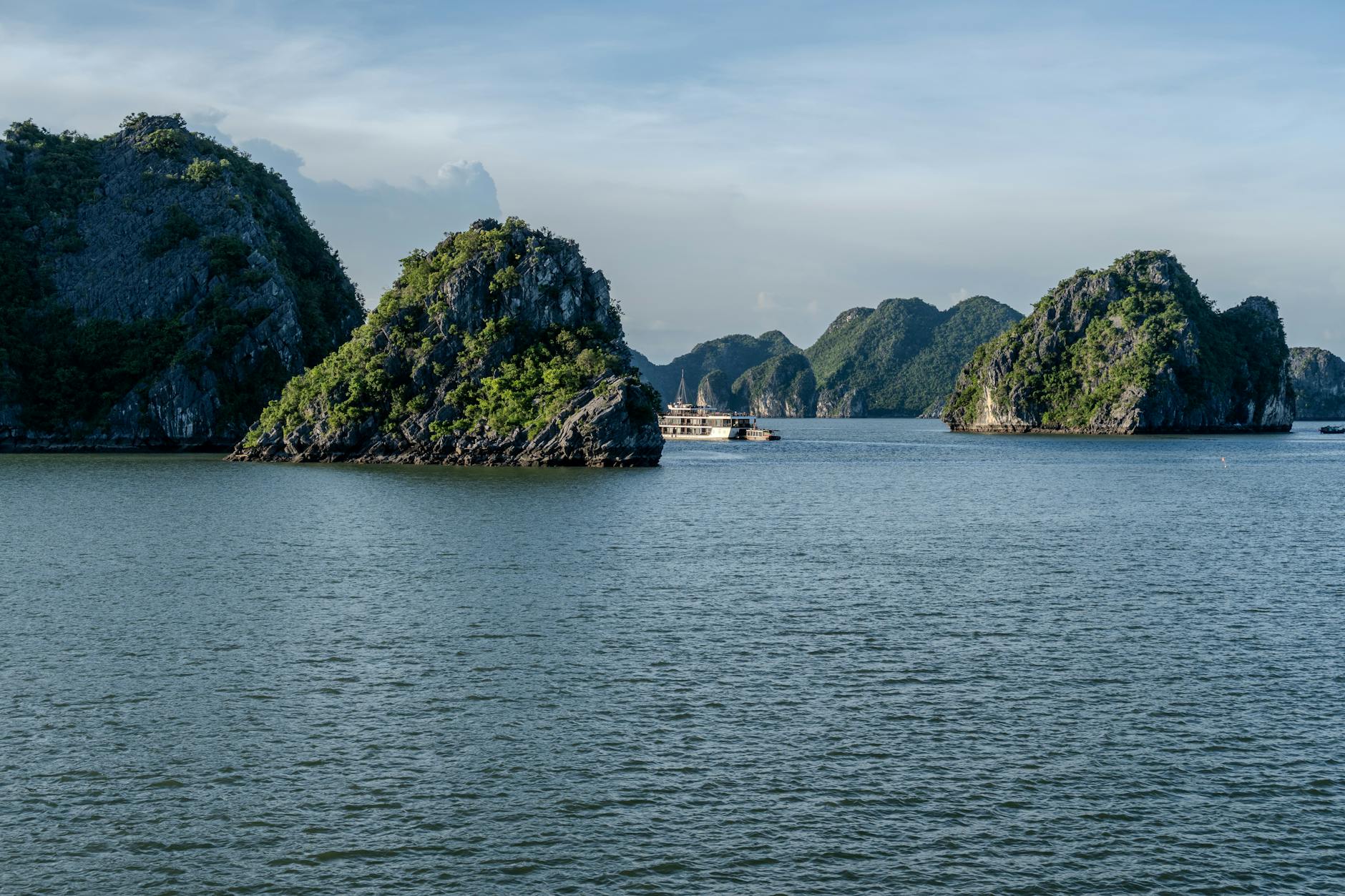
With its forested limestone islands rising straight out of emerald water, Ha Long Bay is one of Vietnam’s most iconic landscapes and a UNESCO World Heritage Site. A travel to Ha Long Bay is less about rushing between monuments and more about slowing down on the water, watching the light change over the karst peaks, and slipping into a quieter rhythm of travel. Whether you board a classic wooden junk, explore nearby fishing villages, or combine the bay with quieter neighbors like Lan Ha and Bai Tu Long, this is a place where the journey itself is the main attraction.
This guide helps you prepare a voyage to Ha Long Bay in concrete terms: how to choose the right cruise, what to see and do on and off the water, where to stay in Ha Long City and on Cát Bà Island, and how to plan your time and budget. You will also find practical information on transport, weather, safety, and suggested itineraries for different trip lengths.
Tip: Ha Long Bay is spectacular, but it is also popular; a bit of planning (choice of area, cruise length, season) makes the difference between a rushed excursion and a memorable experience.
2. Geography & Orientation
Ha Long Bay lies in Quang Ninh Province in northeast Vietnam, in the Gulf of Tonkin, about 105–110 miles (around 170 km) east of Hanoi. The broader seascape includes three main areas: Ha Long Bay itself, Bai Tu Long Bay to the northeast, and Lan Ha Bay stretching around Cát Bà Island to the south.
The region is famous for its karst limestone formations, with roughly 1,600–2,000 islands and islets scattered across calm waters. Many of these islands are uninhabited, with sheer cliffs, caves, and pocket beaches that can only be reached by boat or kayak.
Key areas to know
Ha Long City (Bãi Cháy & Hòn Gai): Mainland hub with ports, hotels, and a growing resort skyline; departure point for many standard cruises.
Tuan Chau Island: Major harbor area west of Ha Long City, where many overnight and day cruises depart.
Bai Tu Long Bay: Quieter area to the northeast, with fewer boats and a more remote feel.
Lan Ha Bay & Cát Bà Island: To the south, connected to Cát Bà National Park, popular with travelers seeking a blend of bay scenery and on-land hiking.
Distances and travel times (apenery and on-land hiking.
Distances and travel times (approximate)
Route | Mode | Duration (one way) | Notes |
|---|---|---|---|
Hanoi – Ha Long City (170 km) | Highway bus/van | 2–2.5 hours | Most cruise shuttles use expressway. |
Hanoi – Ha Long City | Public bus | 3–3.5 hours | Slightly slower, more stops. |
Hanoi – Ha Long (seaplane) | Seaplane | ~45 minutes | Scenic but premium option. |
Ha Long City – Cát Bà Island | Boat + bus combo | 1.5–2 hours | Often integrated in tour packages. |
3. History & Cultural Context
The Vietnamese name Hạ Long means “descending dragon”, referring to a legend in which a dragon descended to the sea, whipping its tail and carving valleys that later filled with water, leaving only the peaks visible. Over time, this mythic landscape became central to local identity and a source of pride for Vietnam as a whole.
Geologically, the bay’s karst structures formed over millions of years through the slow erosion and dissolution of limestone, creating towers, caves, and sinkholes. Historically, the region also played a strategic role, with caves and islets used as hideouts and observation points, and it was important in naval battles, including resistance against Mongol invasions. fr.wikipedia
Fishing communities have lived on and around the bay for generations, originally in floating villages anchored in protected coves. In recent years, many residents have been resettled to the mainland, but you can still see remnants of this way of life through visits to villages and pearl farms that showcase traditional fishing and aquaculture.
Respect note: When visiting villages or local communities, keep photos discreet, ask before shooting portraits, and support local initiatives (community-run tours, homestays, or craft purchases).
4. The essentials – sites & monuments
Visiting Ha Long Bay is less about classic monuments and more about scenic sites and natural attractions accessed by boat. Still, a few stops appear on most cruise itineraries and are worth understanding before you choose your route.
Classic bay highlights
Thien Cung Cave (Heavenly Palace Cave): Illuminated cave with stalactites and stalagmites, often included on standard day cruises.
Sung Sot Cave (Surprise Cave): One of the largest and most visited caves in the bay, reached by a stair climb and featuring multiple chambers.
Dau Go Cave: Historically linked to battles against the Mongols; known for high ceilings and dramatic formations.
Ti Top (Titov) Island: Small island with a sandy beach and a steep stairway leading to a viewpoint over the bay.
Fighting Cocks Islets (Trống Mái): Two small rock towers that resemble fighting roosters, often used as a symbol of Ha Long Bay.
Most standard itineraries combine one or two caves with an island stop and some time for either kayaking, a bamboo boat ride, or a short swim. If you prefer fewer crowds, consider cruises that focus on Bai Tu Long or Lan Ha, where viewpoints and caves are less congested.
On land: Ha Long City attractions
While many visitors see Ha Long only as a port, the city itself is emerging as a secondary destination.
Sun World Ha Long Complex: Large amusement park with cable cars, viewpoints, and rides, popular with Vietnamese families.
Bãi Cháy Beach: Urban beach with a promenade, cafes, and evening lights; not as pristine as island beaches but pleasant for a stroll.
Quang Ninh Museum: Architecturally striking museum introducing the province’s history, coal industry, and culture.
5. Neighborhoods & areas to explore
Even though Ha Long Bay is a maritime destination, it helps to think in terms of zones when choosing where to sleep and what to explore.
Bãi Cháy – modern tourist hub
Bãi Cháy, on the west side of Ha Long City, is the main tourist district, with hotels, restaurants, and easy access to ports. The vibe is lively, with neon lights, seafood restaurants, and modern developments, including the Sun World complex.
Best for: Travelers wanting comfort, easy cruise access, and nightlife.
Accommodation: Mid-range hotels, large resorts, budget guesthouses.
Pros: Convenience, services, large choice of restaurants.
Cons: Urban and busy, less “authentic” atmosphere.
Hòn Gai – more local feel
Across the bridge from Bãi Cháy, Hòn Gai has a more local, residential feel, with markets and fewer tourists. This area suits travelers who enjoy exploring Vietnamese city life before or after their cruise.
Best for: Travelers seeking quieter evenings and access to local markets.
Pros: Less touristy, good for short walks and street food.
Cons: Slightly less convenient if your cruise departs from Bãi Cháy or Tuan Chau.
Tuan Chau Island – port and resorts
Tuan Chau is the main harbor island, with multiple piers for cruise departures, plus resorts and artificial beaches. Many organized tours include pick-up and drop-off here.
Best for: Early-morning or late-night cruise departures, families staying at resorts.
Pros: Walkable access to boats, simple to coordinate schedules.
Cons: Feels built-for-tourism; not much traditional atmosphere.
Cát Bà Island – active travelers’ base
South of Ha Long, Cát Bà Island offers a good mix of bay scenery and on-land activities, including Cát Bà National Park with hiking and viewpoints. It also provides access to Lan Ha Bay, often cited as a less crowded alternative to the core Ha Long area.
Best for: Travelers who like hiking, biking, and combining sea and land.
Pros: More independent exploration, variety of guesthouses and hotels.
Cons: Logistics can be slightly more complex; weather can affect boat schedules.
Choosing your base: For a short visit, Bãi Cháy or Tuan Chau is practical; for longer, slower stays, consider a few nights on Cát Bà to explore Lan Ha Bay.
6. Gastronomy – eating in Ha Long Bay
A voyage to Ha Long Bay is not complete without tasting local seafood, which is central to the region’s cuisine. Many cruise packages include set menus featuring fish, prawns, clams, and crab, while the city offers both street-side stalls and higher-end restaurants.
Typical dishes to try
Grilled squid (chả mực): A Quang Ninh specialty, often served with rice or noodles.
Fresh clams and oysters: Often steamed or grilled with garlic and herbs.
Steamed whole fish: Seasoned simply to highlight freshness.
Seafood hotpot: Communal dish ideal for small groups.
If you have dietary restrictions, inform your cruise or restaurant in advance; many operators can adapt menus when warned early.
Where to eat
Onboard cruise dining: Most overnight cruises include full-board with Vietnamese and international dishes.
Bãi Cháy seafront: Numerous seafood restaurants line the main roads and seafront, with tanks displaying live fish and shellfish.
Local markets and street food: For a more informal experience, look for small eateries serving noodles, rice dishes, and snacks in Hòn Gai.
Budget tip: A simple meal in a local eatery can cost from about $2–4 (50,000–100,000 VND), while a seafood feast in a mid-range restaurant may range from $10–20 (250,000–500,000 VND) per person depending on what you order.
Drinks & cafes
You will find Vietnamese iced coffee, fruit juices, and soft drinks almost everywhere. Some cruises have bars serving beer and cocktails; drinks on board are often charged separately from the package.
7. Nightlife & evenings
Nightlife in Ha Long is more relaxed than in big cities, but there are still options for evening entertainment, especially in Bãi Cháy. The atmosphere ranges from family-friendly promenades to bars with music.
Evening options
Stroll along Bãi Cháy promenade: Enjoy sea breezes, street snacks, and views of the illuminated bridge.
Cafes and cocktail bars: Many hotels and rooftop venues offer drinks with views of the bay.
Night markets: Depending on the season, you may find stands selling snacks, clothes, and souvenirs near tourist zones.
On multi-day cruises, evenings are often spent on board, with optional squid fishing, cooking demonstrations, or simply relaxing on deck under the stars.
Quiet expectation: If you are looking for very late-night clubbing, Ha Long may feel calm; this is more a place for sunsets and early mornings than for all-night parties.
8. Shopping & local crafts
Ha Long is not Vietnam’s main craft center, but there are still a few items worth considering if you enjoy bringing home a reminder of your voyage to Ha Long Bay.
What to look for
Pearl jewelry: The bay hosts pearl farms that cultivate local pearls; some cruises include visits with explanations and showrooms.
Seafood products: Dried squid, fish sauce, and other local specialties are sold in markets and shops.
Simple souvenirs: T-shirts, magnets, and postcards featuring bay scenery.
While visiting pearl farms or factory shops, it is wise to compare prices and resist pressure to buy if you are not genuinely interested.
Sensible tip: If you plan to buy pearls or high-value goods, ask your guide or hotel for a reputable shop, and keep receipts for customs.
9. Unusual & offbeat activities
Beyond classic cruises and caves, Ha Long Bay and its neighboring areas offer some original ways to experience the landscape.
Kayaking among the karsts
Kayaking allows you to move quietly between karst towers, into small coves, and sometimes into low caves or lagoons that bigger boats cannot enter. Many overnight cruises include optional kayaking sessions for an extra fee.
Typical duration: 45–90 minutes per session.
Cost: Often around $10–15 (250,000–375,000 VND) depending on the operator.
Requirements: Basic fitness and comfort on the water.
Cycling on Cát Bà Island
On Cát Bà, you can rent a bicycle or join a guided tour through villages and countryside bordering the bay. Combining a morning hike in Cát Bà National Park with an afternoon cycling loop is a rewarding way to see both land and sea.
Seaplane or helicopter flights
For a different perspective, some operators offer scenic flights over Ha Long Bay by seaplane. Flights typically last around 25 minutes and showcase the full sweep of the karst seascape.
Best for: Photography enthusiasts and travelers with a higher budget.
Cost: Often in the hundreds of dollars per person, depending on season and route.
Early-morning tai chi on deck
Many overnight cruises offer tai chi sessions at sunrise, where an instructor leads simple movements on deck as the bay slowly lights up. Even if you are a beginner, this is a gentle and memorable way to start the day.
10. Excursions from Ha Long Bay
A voyage to Ha Long Bay often fits into a broader northern Vietnam itinerary that might include Hanoi, Ninh Binh, and mountainous regions.
Lan Ha Bay & Cát Bà Island
Lan Ha Bay, adjacent to Ha Long but officially belonging to Hai Phong city, is known for similar limestone scenery but with fewer boats. Many travelers now choose cruises that focus on Lan Ha, often departing from Hai Phong or Cát Bà.
Activities: Kayaking, swimming, rock climbing, cycling on Cát Bà.
Appeal: Less crowded routes, mix of sea and national park.
Bai Tu Long Bay
Bai Tu Long Bay lies to the northeast and is sometimes described as a wilder, quieter version of Ha Long. Some cruise companies specialize in this area, offering itineraries with more remote stops.
Activities: Similar to Ha Long—caves, villages, kayaking—but with fewer other boats around.
Consideration: Slightly longer sailing time from main ports.
From Ha Long to Hanoi & Ninh Binh
Most travelers combine Ha Long with Hanoi, and some continue to Ninh Binh, sometimes called “Ha Long on land” for its karst formations rising from rice fields. Buses and private cars can connect these destinations within a few hours, making them easy additions to your trip.
11. Practical information
Planning a travel to Ha Long Bay is easier with a clear view on season, budget, transport, and safety.
Climate & best time to visit
Ha Long has a tropical monsoon climate with two main seasons: a cooler, drier winter from roughly November to March, and a hotter, wetter summer from May to September.
Month range | Weather profile | Pros | Cons |
|---|---|---|---|
November – March | Cool, often cloudy or misty, 15–20°C | Mysterious atmosphere, fewer storms. | Can be chilly, limited sun. |
April – May | Transition, mild to warm | Pleasant balance, good visibility. | Some chance of rain. |
June – August | Hot, humid, frequent rain and storms | Warm water, good for swimming. | Highest risk of trip cancellations due to storms. |
September – October | Warm with gradually decreasing rain | Often good conditions, fewer crowds. | Occasional late-season storms. |
Weather warning: In case of storms or strong winds, authorities can cancel cruises for safety; it is important to stay flexible and check conditions shortly before your trip.
Budget overview
Your voyage to Ha Long Bay budget will depend mostly on the type and length of cruise you choose.
Item | Budget range (per person) |
|---|---|
Day cruise (no cabin) | From about $25–60 (625,000–1,500,000 VND), depending on inclusions. |
1-night mid-range cruise | Commonly $120–200 (3,000,000–5,000,000 VND), including meals. |
2-night mid/high-end cruise | Around $220–400+ (5,500,000–10,000,000+ VND). |
Simple hotel in Ha Long City | From $15–30 (375,000–750,000 VND) per night. |
Mid-range hotel | Often $40–80 (1,000,000–2,000,000 VND) per night. |
Meals in local eateries | $2–4 (50,000–100,000 VND). |
Seafood restaurant meal | $10–20 (250,000–500,000 VND). |
Getting there & around
From Hanoi, most visitors travel to Ha Long via highway buses, shared shuttles, or private cars, with travel times around 2–2.5 hours using the modern expressway. Many cruise companies include round-trip transfers in their packages or offer them as an add-on.
Public bus: The cheapest option, departing from Hanoi’s main bus stations, with slightly longer travel times.
Shared shuttle: Comfortable mid-range choice, often arranged with your cruise.
Private car or taxi: Flexible and convenient for families or groups.
Seaplane: Premium option with scenic aerial views and a much shorter travel time.
Within Ha Long City, taxis, ride-hailing apps (where available), and hotel-arranged transfers make it easy to reach ports and attractions.
Safety and responsible travel
Ha Long Bay is generally safe, but a few simple precautions help ensure a smooth trip.
Choose reputable cruise companies with good safety records.
Listen to crew instructions, especially during kayaking and transfers between boats.
Bring a light jacket or windbreaker for cool evenings or misty mornings, even in tropical settings.
Use reef-safe sunscreen and avoid throwing any waste overboard.
Responsible reminder: The bay faces pressure from tourism and pollution; simple gestures like using refillable bottles, limiting single-use plastics, and supporting environmentally conscious operators contribute to preserving this unique landscape.
12. Suggested itineraries
To help you structure your visit to Ha Long Bay, here are a few sample itineraries that combine the bay with neighboring highlights.
1 day – express taste of Ha Long
This option suits travelers on tight schedules but still wanting a glimpse of the bay.
Morning: Early departure from Hanoi by expressway shuttle.
Late morning to afternoon: Day cruise including one cave (e.g., Thien Cung or Sung Sot), a short island stop, and possibly a brief kayaking or bamboo boat experience.
Evening: Return to Hanoi.
Reality check: A day trip can feel rushed; you will spend as much time on the road as on the water, so this is best treated as a first taste rather than a deep experience.
2 days / 1 night – classic overnight cruise
The most popular format for a travel to Ha Long Bay is a one-night cruise, allowing you to see the bay at sunset and sunrise.
Day 1
Morning: Transfer from Hanoi; boarding around midday.
Afternoon: Cruise among karst formations, visit a cave or island, optional kayaking.
Evening: Dinner on board, night on the boat.
Day 2
Early morning: Sunrise on deck, optional tai chi.
Morning: Short excursion (e.g., village visit or more kayaking), then brunch.
Late morning / early afternoon: Disembark and return to Hanoi or continue to another destination.
3 days / 2 nights – deeper exploration
With one additional night, you can venture further into Bai Tu Long or Lan Ha Bay and enjoy a slower rhythm.
Day 1
Similar start to the 2-day itinerary: arrival, boarding, first explorations.
Day 2
Full day cruising toward quieter sectors, with more time for kayaking, swimming, or village visits.
Optional activities like cooking classes or fishing.
Day 3
Morning excursion, then return to port and onward travel.
4–5 days – combining Ha Long, Cát Bà, and Ninh Binh
For travelers wanting a richer northern Vietnam experience, consider this structure:
Day 1: Hanoi to Ha Long; embark on overnight cruise.
Day 2: Disembark and transfer to Cát Bà; afternoon hike or cycling.
Day 3: Boat tour of Lan Ha Bay; overnight on Cát Bà.
Day 4: Transfer to Ninh Binh; explore karst landscapes and temples.
Day 5: Return to Hanoi.
This approach spreads travel across several days, balancing time on the water, in small towns, and in the countryside.
13. Conclusion
A voyage to Ha Long Bay is more than a checklist of caves and islands; it is an immersion in a slowly shifting seascape, where weather, light, and tide continually redraw the horizon. With thoughtful planning—choosing the right season, cruise length, and area (Ha Long, Bai Tu Long, or Lan Ha)—you can shape an experience that fits your rhythm and budget.
By combining Ha Long with nearby destinations like Cát Bà, Hanoi, or Ninh Binh, you build a northern Vietnam journey that links sea, city, and countryside into a coherent whole. Whatever your route, traveling with respect for the bay’s fragile environment and local communities helps keep this extraordinary landscape alive for future visitors.
If you share how long you plan to stay and whether you prefer comfort or adventure, it becomes easier to refine this guide into a more personalized Ha Long Bay stay.